
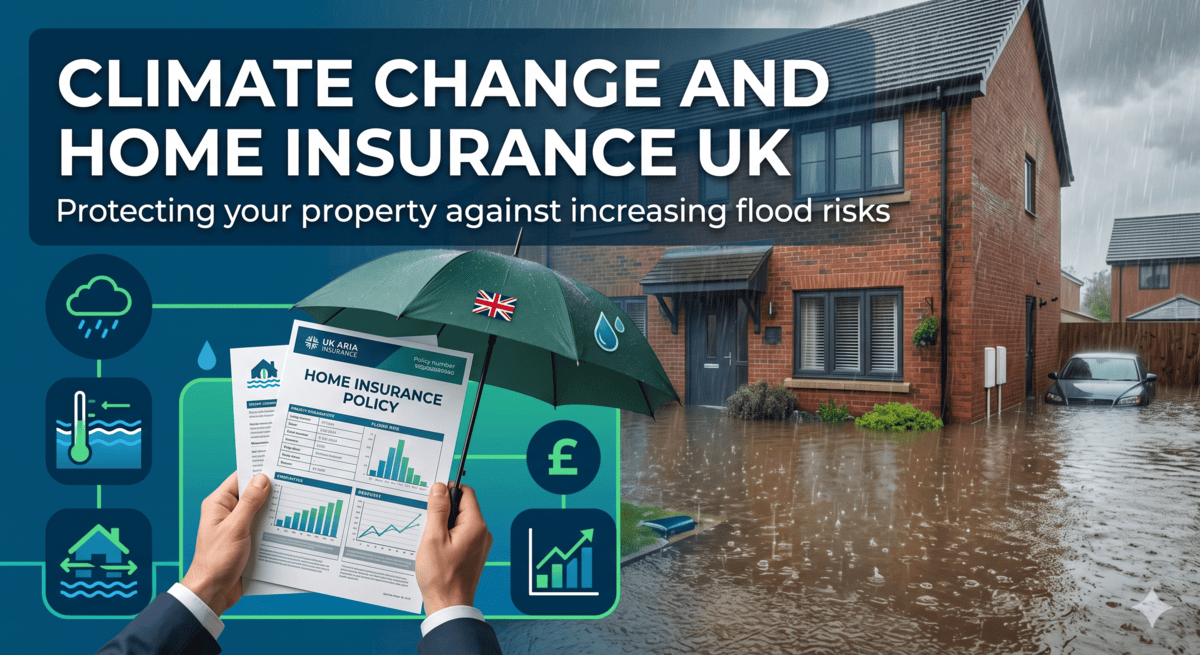
From flash flooding and heatwaves to severe storms, extreme weather is becoming an increasingly important issue for homeowners across the UK.
Yet many households remain underprepared for the financial and practical risks that climate-related events can bring.
Recent studies suggest that while more people are aware of changing weather patterns, many still do not take basic steps to protect their homes and finances.
Why Climate Risks Matter for UK Homeowners
The UK has experienced several major weather events in recent years, including:
- Flash flooding across parts of England and Scotland.
- Severe winter storms causing roof and property damage.
- Heatwaves leading to subsidence and structural issues.
- Coastal erosion affecting homes near the sea.
Climate experts expect extreme weather events to become more frequent and severe over the coming decades, increasing risks for homeowners and insurers alike.
Are British Homeowners Prepared?
Many homeowners still do not:
- Have an up-to-date home inventory.
- Know whether their property is at risk of flooding.
- Have an emergency evacuation plan.
- Check whether their insurance fully covers weather-related damage.
A lack of preparation can make recovering from a weather event far more difficult and expensive.
The Importance of Home Insurance
One of the biggest financial protections homeowners have is adequate home insurance.
A good buildings and contents insurance policy can help cover:
- Storm damage.
- Flood damage.
- Damage caused by fallen trees.
- Temporary accommodation costs.
- Replacement of damaged possessions.
However, not all policies are the same, and homeowners should review their cover regularly.
Flood Risk Awareness Is Still Low
Flooding remains one of the biggest climate-related risks in the UK.
Many homeowners are unaware that:
- Standard insurance policies may have limitations.
- Flood risk can change over time.
- New developments and changing weather patterns can increase local flood risk.
Understanding whether your home is in a flood-prone area can help you make better decisions about insurance and property protection.
How to Protect Your Home From Extreme Weather
1. Create a Home Inventory
Photograph valuable possessions and keep digital copies of receipts.
This can make insurance claims much easier if you suffer storm or flood damage.
2. Review Your Insurance Policy
Check:
- Buildings cover.
- Contents cover.
- Excess amounts.
- Flood and storm exclusions.
3. Prepare an Emergency Plan
Know:
- Important contact numbers.
- Where to turn off utilities.
- Where important documents are stored.
4. Protect Your Property
Simple improvements can reduce risks:
- Clear gutters and drains.
- Maintain your roof.
- Trim trees near your property.
- Install flood barriers if appropriate.
5. Keep Important Documents Safe
Store insurance policies, passports and property documents digitally and in waterproof containers.
Could Climate Change Increase Insurance Costs?
Potentially, yes.
As insurers face increasing claims from extreme weather events, premiums may rise in some areas, particularly those considered at higher risk of flooding or storm damage.
This makes prevention and preparation even more important for homeowners.
Is Your Home Financially Protected?
Owning a property is often the biggest financial investment many people make.
Taking steps to understand your climate risks and ensuring you have appropriate insurance could save you thousands of pounds in the future.
Final Thoughts
Climate change and home insurance in the UK are becoming increasingly connected.
While nobody can prevent severe weather, homeowners can reduce their risks by:
- Understanding local climate threats.
- Reviewing insurance cover regularly.
- Preparing emergency plans.
- Taking practical steps to protect their property.
A little preparation today could make a huge difference if extreme weather affects your home tomorrow.
Read more: Money Saving Tips UK: 10 Habits That Actually Work in 2026
